


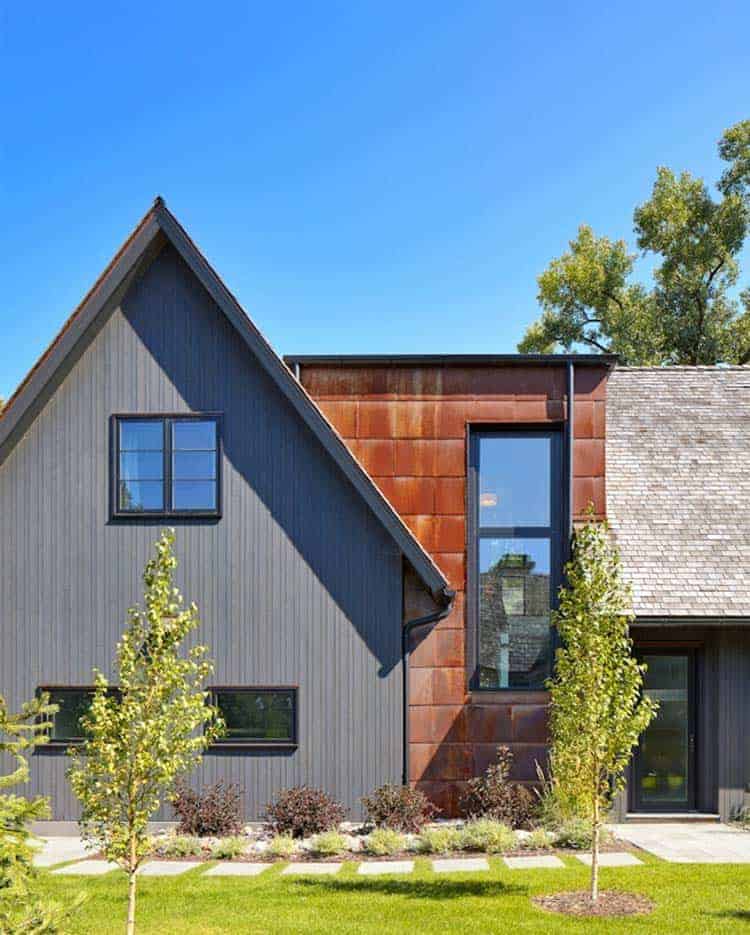

If you’ve been exploring compact cabins, backyard dwellings, or off-grid retreats, you may have come across the Saltbox Cabin Plans from Elevated Spaces.
At first glance, it’s easy to see the appeal:
a classic roofline, a compact footprint, and a design that feels intentional rather than improvised.
But before you download plans or commit to a build, it’s worth asking a more important question:
Is this design practical in Canada — and for your situation?
Let’s break it down.
What Is a Saltbox Cabin (and Why It Works So Well in Canada)
The saltbox design dates back centuries and is defined by its asymmetrical roof — longer on one side, shorter on the other.
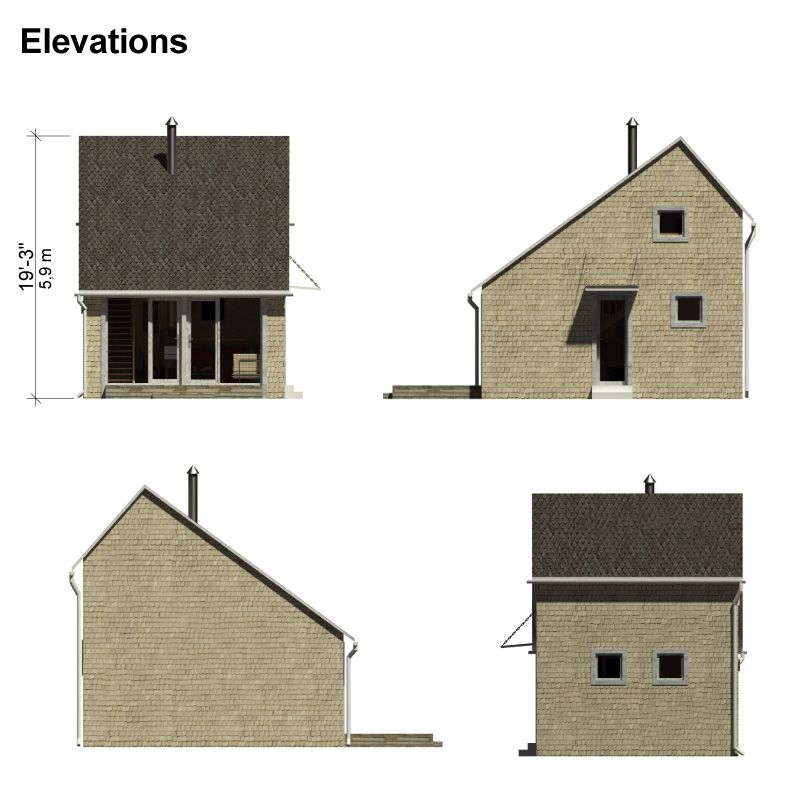
That shape isn’t just aesthetic.
It offers:
- Excellent snow-shedding in winter climates
- Strong wind resistance
- Efficient interior volume without increasing footprint
- A form that works equally well on-grid or off-grid
For Canadian conditions, that’s a big win.
Where the Saltbox Cabin Shines
Based on the Saltbox Cabin Plans, this design is especially well-suited for:
✔ Recreational Properties
Cottages, hunting camps, lakefront lots, or rural acreage where simplicity and durability matter.
✔ Backyard Builds (In the Right Municipality)
In areas that allow garden suites or accessory dwelling units (ADUs), this type of structure can work — with local adjustments.
✔ First-Time Owner-Builders
A simple form, smaller footprint, and efficient layout make this a manageable entry point into small-scale construction.
The Canadian Reality Check (This Part Matters)
Here’s where Tiny House Canada adds value beyond the sales page.
Cabin plans are not permits.
Before building anything like a Saltbox cabin, Canadians need to consider:
🏗 Zoning & Municipal Rules
- Is this considered a cabin, seasonal dwelling, or accessory dwelling unit?
- Are minimum dwelling sizes enforced?
- Is a permanent foundation required?
Rules vary dramatically between municipalities — sometimes street by street.
❄ Climate & Insulation
Plans may need adjustments for:
- Cold-climate wall assemblies
- Higher R-values
- Vapour barriers and air sealing strategies
- Frost-protected foundations
🔌 Utilities & Servicing
- On-grid vs off-grid power
- Septic vs holding tank
- Water access and freeze protection
These are solvable issues — but they must be planned early.
Is a Saltbox Cabin a “Tiny House”?
Not exactly — and that’s a good thing.
In Canada, “tiny house” often creates regulatory confusion.
Cabins and small permanent dwellings are sometimes easier to approve than anything labeled tiny.
That’s why many Canadians are quietly choosing:
- Small cabins
- Backyard suites
- Compact permanent homes
The Saltbox form fits neatly into that smarter category.
How Tiny House Canada Helps You Decide (Before You Build)
At Tiny House Canada, we don’t sell plans.
We want to help you answer:
- Can I build this where I live?
- What changes are needed for my municipality?
- Is this better as an ADU, cabin, or small primary home?
- What will approvals realistically take?
Sometimes the answer is:
“Yes — with a few smart modifications.”
Sometimes it’s:
“This design is great, but here’s a better option for your lot.”
Both save you time, money, and frustration.
Final Thoughts
The Saltbox Cabin is a strong, sensible design — especially for Canadian climates.
Just don’t treat any set of plans as a shortcut around zoning, permits, or climate realities.
Small living works best when it’s intentional, legal, and built for where you actually live.


